|
$$PLAIN_TEXT_PREVIEW$$
|
Job title / company: Senior Workday Process Improvement Lead for Berklee College of Music Boston Town / city you’re from: Portage, Ind. Town / city you live in now: Indianapolis, Ind. Describe your family. Significant other? Children? Husband, Mike, celebrating 22 years this month. Three kiddos - AJ (Alexander Joshua) 20, Nate 18, and Abby 14 Do you have a license or degree? If so, in what, from where? I have my master's in communication from Purdue University and my bachelor's in journalism and speech communication from Indiana University. Describe your professional background / history? I thought I was going to be a professional journalist when I left IU, but then realized I needed to pay bills. I did a wide variety of jobs between undergrad and grad school (including being a casino dealer) before I fell into Human Resources and eventually Training and Development. After I graduated, a friend from my program let me know that Ivy Tech Community College needed instructors and I figured teaching was similar to training, so why not? Well, I learned the hard way that teaching and training are not the same thing, but I still loved it. I eventually worked my way through several positions, moved from Northwest Indiana down to Indianapolis in 2022, and I eventually transitioned out of a 15-year academic-focused career and into a more project and change management role when I became a systems architect for the college. How did you discover your passion? Even though I was in academics, I also enjoyed leadership and project management. I volunteered for committees and initiatives whenever I could. I liked the challenge of putting the puzzle pieces together. When Ivy Tech offered an Executive Leadership Development program called Pathways to Peak Leadership, I was able to spend a year focusing not only on my leadership but on where I wanted my career to go. I knew then that project management, change management, process improvement, these were the areas that my strengths came through and made work not feel like work. I started looking for opportunities to do these types of things in my career and within two months of the program ending I was a systems architect.
|
|
This summer you were downsized after being with a company for nearly 17 years. What was that time like for you? I'm not going to lie, it was hard. Even if I can understand the why behind it, I was still heartbroken to leave a place I had been with for so long and whose mission I believed in, and still believe in, to this day. That being said, as someone who is, quite literally, in the change management profession, I viewed this as an opportunity to practice what I preach. I worked my network, I made goals, I had spreadsheets. In the two weeks that I went from getting the official notice that my position was being eliminated to my last day two weeks later, I went on about eight interviews total, submitted two applications including the one for the position I got, and had countless lunches, coffees, check-ins, dinners, Zoom meetings, and phone calls. It paid off, but that was easily the most stressful two weeks of my life. You turned to LinkedIn and your network for your next role. What was the response like? Would you credit it with your new position? You always wonder, if something bad were to happen to me, who would be there? I was so humbled by the fact that it felt like everyone was there for me. My friends and family were there for me, of course. My husband and kids were absolute rocks. They had every reason to be falling apart, but they were in the corner, going, "Go, Mom! Go, Kate! You've got this." I felt like I was invincible. What surprised me in all the best ways, however, was the amazing responses I got from LinkedIn. The day my position was eliminated, I was on LinkedIn, with my little green banner to let everyone know I was looking for work. I was writing posts, commenting on other posts, sharing a lot of my colleagues' posts who had also been laid off. And the support I got, honestly, I still get emotional when I think about it. People shared my content. They sent me jobs to look at. They referred me to people for positions. One of the reasons that I only filled out two applications and had so many interviews was because I had so many direct referrals all from people on LinkedIn. On the first day someone I was working with as a contractor, Kristina Kelpe from Legato Strategies, asked if she could pass my name and resume on to someone from Berklee who was looking for someone with my skill set. By Tuesday, I had an interview. By the next week, I had an offer. Now I'm in this amazing job, creating real change with a huge project at a very prestigious higher education institution, and it feels a little like a dream. All because I posted on LinkedIn. What have you learned since then about yourself? In general? If you had told me even two years ago that networking would literally save me and my career, I would have scoffed. I hated networking. It felt so fake and forced. It felt like sales. The problem was I didn't know how to do it correctly. When you make networking about others, about growth and learning, about leadership and mentorship, and not about "what's in it for me," all of the sudden, it's enjoyable. I've met and chatted with more professional project and change managers outside of higher education, which has given me some amazing perspectives on problem solving. It's fun and very productive to look from the outside in when you're still on the inside. I highly recommend it. What mark do you hope to leave on your industry? I hope to leave a legacy of elevating the human side of change and transformation in higher education. Whether it's through new systems, structures, processes, etc., my focus has always been on making sure that change is intentional, inclusive, and sustainable. I want people to look back on the work I've done, the work we have done together, and say, "Because of Kate, we didn't just get through this. We were successful." From a software tech side, I want to know that we didn't just install software, we implemented it. For processes, I want to know that we didn't just launch an initiative, we changed how people show up. That's how I will know that the work I did mattered and made a difference. How do you find balance in your life? One of my mentors at Ivy Tech once gave me great advice: “Work–life balance is a myth. You bring your whole self to work, and you bring your whole self to life outside of work. Find a way to build integration.” That’s exactly what I try to do. I work remotely, so I build movement into my day by hopping on the treadmill between meetings, which is great for clearing my head. I’ve set up several work spots in my house depending on the day’s needs - my “office” with all the monitors for focus, a three-season room filled with sunlight and a daybed for deep work, and a comfy couch near the laundry room when we’re out of towels and I’m multitasking. When deadlines are looming, my family and friends know I may need to answer a Slack message or finish a report on a Sunday evening. But the same flexibility works the other way: if my daughter needs help with homework at 3 p.m. and I don’t have a meeting, I step away to support her. Later, while my husband makes dinner, I’ll put the finishing touches on a slide deck. I don’t feel guilty for not working at 3, and I don’t feel guilty for working at 6, everyone’s needs are met. I also aim to keep my workweek to 40 hours, aside from the occasional crunch period. Outside of that time, I focus fully on my personal life.
|
|
What are you most proud of in your life personally and/or professionally? Honestly, what I'm most proud of is my resilience, and the impact that's had on my kids and the people around me. As the breadwinner and insurance carrier for our family, being suddenly laid off was a legitimate nightmare. I could have frozen. I could have taken weeks to figure out next steps. There were so many different directions I could have gone. From the outside, I probably looked calm and collected. On the inside, I was anxious, worried, and second-guessing everything. But I chose to believe in myself - and that was a hard-won belief, not something that came easily. There were tears, of course. But I washed my face, squared my shoulders, and opened my spreadsheet to tackle the next step. My kids watched me walk through one of the hardest experiences of my life second only to a death in the family, and come out the other side exhausted, but victorious. I will always be proud of that. What advice would you give your younger self? Another woman on the path to finding her calling? I have two pieces of advice: 1. Schedule time, in your calendar, for professional development. That can be LinkedIn Learning, reading an industry book, going to a seminar, or even just taking time to clean up your LinkedIn profile. But every week, be purposeful in spending at least an hour that is just on you and your career. It's going to change and flow over time. Give yourself the space to focus on you with permission and no guilt. Make your career growth your priority. No one is going to do it for you. 2. Learn how to network and start doing it today. Start small. I like LinkedIn, but that's not everyone's cup of tea. Go to industry events. Take a colleague to lunch. Ask a potential mentor to coffee and ask them questions. There's a million ways to network. Start slow, but start now. You don't know when you'll need that network, or when someone you know might need you and your network. What do you hope your children learn from you? When we moved in 2022, I knew it was going to be rough, so before we even started, I sat them down and told them, "Pantinases can do hard things." I must have said that phrase a dozen times a day during that summer we moved, when everyone was exhausted and getting on each others' nerves. When I got laid off, and I let my kids know, they gave me a hug and said, "It's okay, Mom. Pantinases can do hard things. You've got this." They never doubted me for a minute, even when I did. I hope they learn from me that I believe in them with that same unwavering confidence that they gave me. Outside of work, what do you enjoy doing? I'm a huge reader. Once upon a time, my husband and I owned a used bookstore in Hobart (A Bull in a Bookshop). I generally have at least a half dozen books going at the same time. Romance, fantasy, paranormal, nonfiction - all favorites. Music is also a huge thing in my house. I have a fairly eclectic taste in music, and each of my kids has a different taste in music that we connect on. Someone is always bringing a new favorite song to listen to or wants to go see a musical or band or DCI (Drum Corps International). It's football season, and even though I am a lifelong Bears fan, Nate and I are enjoying watching the Colts have a great season.
|
|
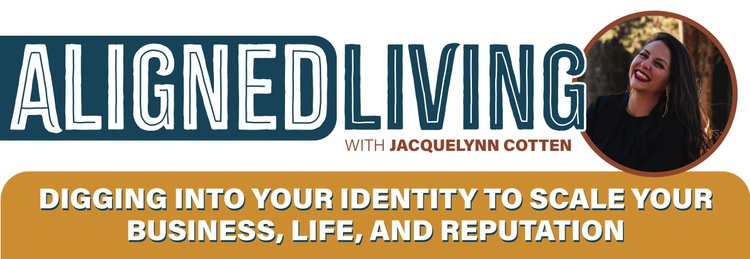
You might think the only way to grow your business is to work harder, post more often, or follow every new trend. You might find yourself saying “yes” when you really want to say “no,” just to keep the peace in your relationships. You might even be hiding parts of yourself to protect a reputation that no longer feels true. Over time, this kind of living leads to burnout. And here’s the thing, burnout doesn’t just show up in your business. It can wear you down in your personal life and even affect how you see or feel about yourself, too. When you’re constantly trying to be who others expect you to be, rather than who you truly are, everything starts to feel heavy and out of sync. This is why so many business owners return to the nine-to-five grind, burn it all down, switch niches, or change directions entirely. It’s also why people remain in relationships that don’t fulfill them and live lives that lack joy, ultimately leading to regret. Knowing who you are at your core is a lifelong journey. It’s normal to feel disconnected from your purpose, to people-please, or to fall short of your goals when you’re not fully tapped into and accepting of your identity. So let’s talk about it: identity. What is it, really? And why does having clarity around it matter so much? It’s more than the roles you play or the titles you carry. You’re not just a parent, an entrepreneur, or a creative. Your identity is shaped by your values, life experiences, beliefs, fears, strengths, and your vision for the future. It’s the real you, the version that exists even when no one is watching. It’s how you lead. It’s the integrity you uphold, the boundaries you set, your temperament when things get tough. It’s who you are when the money isn’t there and the clients aren’t coming in. Building a fulfilling, prosperous, and sustainable brand, life, and reputation requires a deep level of honesty both with yourself and with others. It requires taking radical responsibility for who you are and the life you're building, rather than leaving things up to chance or public opinion. But here’s the catch: most people are building their lives and businesses based on who they think they should be. They follow trends. They play it safe. They keep up with the Joneses. They shrink themselves to fit into what’s expected. And that’s where burnout, confusion, and misaligned results come from; because it’s exhausting to live out of alignment with your truth. With establishing or reestablishing your identity comes real, intentional work. I call it identity work.
|
|
Identity work isn’t just journaling about your childhood or repeating affirmations in the mirror, though both can have a place in the process. It’s about confronting who you were told to be and courageously choosing who you actually are. It’s about shedding outdated stories, breaking free from old molds, and stepping into a more honest version of yourself. This isn’t surface-level work. It’s soul work. And while it can be uncomfortable, it is the most direct path to alignment, clarity, and results that feel authentic and easeful. When you do identity work, here’s what begins to shift: You stop people-pleasing in business and life. You make decisions faster and with more confidence. Your audience, clients, and loved ones feel your truth and trust builds naturally. You begin attracting aligned clients, partnerships, and opportunities. Your offers, content, and boundaries begin reflecting you, not external noise. You generate momentum rooted in clarity instead of hustle.
This is how you scale not just your business, but your life and your reputation. By becoming the clearest, boldest expression of who you are. Because when you know who you are, the pressure to perform fades and the world around you follows suit. The comparison quiets. The burnout begins to soften. Your natural magnetism ensues. You stop chasing and start attracting. And the most important part? You become proud not just of what you're building, but of who you're becoming in the process.
|
|
Sometimes identity work means saying no to dinner with friends because you're finally respecting your need for rest or using that time to focus on your business goals instead of numbing with distractions. Sometimes it means raising your prices because you finally recognize the value you bring and you’re done undercharging just to feel accepted. Sometimes it means letting go of old habits: overspending, gossiping, binge-watching Netflix, constantly checking your phone because those habits don’t serve the version of you that you're stepping into. Sometimes it means focusing on physical health: getting more sleep, eating real food, going for a walk instead of pushing through another late night at the desk because a regulated nervous system is key to clarity and creativity. Sometimes it’s realizing your inner circle doesn’t reflect where you’re headed and making space for new, aligned relationships instead of trying to force old ones to fit. And sometimes, it means claiming an identity outside of “mom” or “wife.” As a mom of five in a blended family of seven, I know firsthand how easy it is to lose touch with yourself. Once you become a mother or a partner, those roles can start to become your identity. Everything revolves around what everyone else needs, and suddenly, your own desires feel secondary or worse, selfish. But here’s the truth: You existed before those titles. You are still someone outside of what you do for others. Choosing to reconnect with that person, the one who came first, isn’t selfish. It’s necessary. At first, doing things for yourself from your highest self might feel uncomfortable or unnatural. But over time, it becomes your new normal. So don’t avoid doing something just because you’re a boss, mom, or a wife. Do it because you are someone else first.
|
|
If you're ready to begin this work or deepen it, start here: 1. Audit your life and business through the lens of alignment. Ask yourself: What feels heavy? What feels out of integrity? What feels like me? What doesn’t? Write it down. You can't change what you're not willing to look at. 2. Create a “Next Level You” identity map. Write out who you are becoming. How does that version of you think? Speak? Make decisions? Dress? Lead? Let this version guide your daily choices. 3. Set one identity-aligned boundary this week. It could be saying no to an opportunity that doesn’t feel aligned, raising your rates, or turning off your phone after a certain hour. Boundaries are the physical expression of identity. 4. Replace one self-sabotaging habit with a supportive one. Swap nightly scrolling for journaling. Replace people-pleasing with pausing to ask, “What do I want?” Small shifts create momentum. 5. Build a supportive environment. Surround yourself with people who reflect your values and stretch your growth—not those who keep you small. Join a mastermind, hire a coach, or find an aligned community. Identity is the foundation. Strategy, branding, content, and visibility all sit on top of it. And when your identity is clear, your strategy finally starts to work. The business begins to grow. Your confidence expands. Your relationships deepen and most importantly, you feel at home in your own skin. Scaling without losing yourself starts by knowing who you are and having the courage to live from that place every single day even if it does ruffle some feathers or leave others scratching their heads wondering, ‘Who is she?’ or ‘Who does she think she is?’ As seen in September/October 2025 issue of Woman to Woman Magazine.
|
|
As the year winds down, the final quarter offers a chance to pause, reflect, and prepare—both professionally and personally. Q4 is the perfect time to ensure your business is in order, your professional goals are on track, and your personal health is prioritized before the holiday rush. Here’s a comprehensive checklist to help business owners, professionals, and busy individuals tie up loose ends and enter the new year with clarity and confidence. Business Wrap-Up 1. Review Your Profit & Loss Statement Take a close look at your P&L to understand how your business has performed this year. Identify trends, expenses that can be reduced, and areas where you exceeded expectations. This is also the perfect time to review your balance sheet and cash flow to ensure financial health heading into the new year. 2. Prepare Year-End Tax Estimates Don’t wait until April; review your tax obligations now. If you’re a business owner, check estimated quarterly payments, retirement contributions, and deductions. Meeting with your accountant to adjust your year-end strategy can help minimize surprises and maximize deductions. 3. Audit Your Accounts Receivable and Payable Make sure outstanding invoices are collected and all bills are paid. A clean slate heading into the new year reduces stress and ensures accurate reporting. 4. Review Your Business Goals Reflect on the goals you set at the beginning of the year. Which were achieved, which fell short, and what lessons can you carry forward? Use this insight to set actionable, realistic goals for next year. 5. Plan for Open Enrollment and Benefits If you provide employee benefits, open enrollment is critical. Review plans, communicate deadlines, and ensure your team understands their options. For those receiving benefits from an employer, take time to review your coverage, compare options, and make any necessary updates to health, dental, vision, or retirement plans before deadlines pass. 6. Check Legal and Compliance Requirements Ensure licenses, permits, and insurance policies are current. Staying proactive avoids costly penalties and interruptions in operations.
|
|
Professional Development 1. Update Your Resume and LinkedIn Profile Even if you’re not job hunting, keeping your professional profiles current ensures opportunities don’t pass you by. Highlight achievements, promotions, certifications, and completed projects. 2. Evaluate Your Skills and Growth Opportunities Reflect on the skills you’ve gained this year and identify gaps. Consider courses, workshops, or certifications to enhance your expertise in the upcoming year. 3. Network and Connect Use Q4 to nurture professional relationships. Send thank-you notes, schedule coffee chats, or attend a year-end networking event. Relationships you maintain now often pay dividends in the year ahead. 4. Review Goals and Set New Ones Assess your professional milestones for the year. Document wins, lessons learned, and areas for improvement. Then, draft goals for the next year that are specific, measurable, and achievable. • • • • • • • • • • • • • • • • • • • • • • • • • • • • • • • • • • • • • • • • • • • • • Personal Health and Well-Being 1. Schedule Annual Health Checks If you haven’t had a physical, dental, or eye exam this year, now is the time. Early detection and prevention are key to staying healthy. 2. Evaluate Mental Health Reflect on your stress levels and mental well-being. Consider scheduling therapy, counseling, or incorporating mindfulness practices to manage stress during the holiday season. 3. Review Fitness Goals Take stock of your activity levels, nutrition habits, and sleep routines. Small adjustments now can help you start the new year strong. 4. Plan for Rest and Rejuvenation Q4 is busy, but overextending yourself can compromise both health and productivity. Schedule downtime, plan mini-breaks, or indulge in self-care routines that restore energy. • • • • • • • • • • • • • • • • • • • • • • • • • • • • • • • • • • • • • • • • • • • • • Miscellaneous Wrap-Ups 1. Backup Important Documents Whether financial statements, business records, or personal documents, ensure everything is safely backed up digitally or physically. 2. Reflect and Celebrate Take a moment to acknowledge the wins—big and small—of the past year. Celebrating progress boosts morale and motivates both you and your team. 3. Plan for the New Year Start drafting your calendar, marketing plans, and budget for the next year. Preparing early reduces stress in January and ensures you hit the ground running. • • • • • • • • • • • • • • • • • • • • • • • • • • • • • • • • • • • • • • • • • • • • • Q4 is About Closure and Preparation The last quarter of the year isn’t just about closing deals or finalizing projects, it’s a time to reflect, assess, and prepare for a strong start in the new year. By addressing your business finances, professional growth, and personal health now, you set yourself up for clarity, balance, and success. Consider this checklist your blueprint to wrap up the year with a bow. List curated by Woman to Woman staff.
|
|
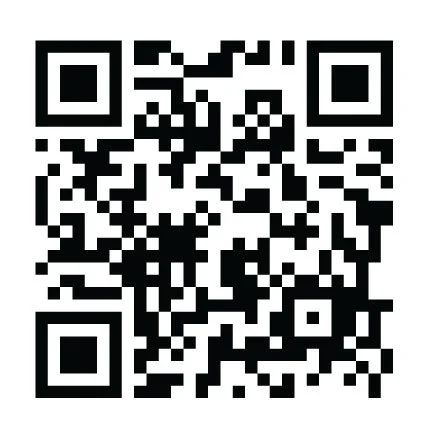
Scan the QR code or click here to subscribe to our e-zine! |
|
|
|
|
|