|
$$PLAIN_TEXT_PREVIEW$$
|
Every February I see the same names, the same projects, the same surface-level lessons. MLK. Rosa Parks. Harriet Tubman. And look, I'm grateful Black history gets any space at all. But I also know our stories are deeper, richer, and more alive than a poster board. As a Black woman, this isn't academic for me. This is family. This is a legacy. This is making sure my kids and all kids know the fullness of who we are and what we've built. So here's how I'm teaching Black history in ways that actually stick, and why it matters year-round, not just in February. Why "The Basics" Fall Short MLK, Rosa Parks, Harriet Tubman, they're essential. But they're not the whole story. When we reduce 400+ years of Black history to a handful of figures, we're telling kids that Black excellence is rare. That Black contributions are limited. That our history is something that happened in the past to other people. We deserve the full story. The scientists, the inventors, the artists, the entrepreneurs. The everyday people who built cities, raised families, created culture, survived everything thrown at them and kept going. What "Beyond the Basics" Looks Like Local Black History
Who built your city? Who shaped your neighborhood? In Chicago, there is the DuSable Black History Museum. Also walking tours of Bronzeville. Historic sites that tell the story of the Great Migration, of Black Wall Street Midwest edition, of the people who made this place home. Find the Black history in your city. Visit it. Walk it. Let your kids meet living historians, talk to elders in the community, hear the stories firsthand. Everyday Black Excellence
There are Black cowboys. Black mathematicians who calculated rocket trajectories before computers existed. Black women inventors who created products we use every day. Black Renaissance movements beyond Harlem, Chicago, Detroit, New Orleans. Black business districts that thrived until they were destroyed. Teach breadth. Teach innovation. Teach the joy alongside the struggle. Because Black history isn't just about what was done to us. It's about what we built, what we created, what we survived and what we're still building.
|
|
Family Storytelling
Your own family history matters. Where did your people come from? What did they survive? What did they build? My kids know their great-great-grandmother's name. They know where she lived, what she did, how she kept her family together. That's not in a textbook. But it's history. It's their history. Teach your kids about the Black people who shaped your family's city, your neighborhood, your world. Make it personal. Make it real. Books That Go Deeper
Read books by Black authors that show the full spectrum of Black life. Not just struggle. Also joy, innovation, artistry, love, resilience. Jacqueline Woodson. Kadir Nelson. Vashti Harrison. Andrea Davis Pinkney. Kwame Alexander. Fill your shelves. Fill their minds. Let them see Black characters as doctors, astronauts, artists, kids being kids. Normalize Blackness as part of the fabric, not a special topic we only talk about in February. Year-Round Approach
February kicks it off, but it goes beyond the month. Black history is American history. It's woven into everything, music, food, language, innovation, civil rights, culture. Integrate Black voices into everyday reading, shows, conversations. Make it normal. Make it constant. Make it true. Having the Conversations Talk about civil rights and ongoing injustice. But do it age-appropriately. Don't shy away from the hard parts, but don't traumatize either. Balance the pain with resilience. Let them ask questions. Sit with discomfort. Give them truth they can handle at their age, and build on it as they grow. Why This Matters This work matters because our kids deserve to know themselves fully. Black kids need to see the fullness of their heritage, the brilliance, the beauty, the strength. Non-Black kids need to see it too, so they grow up knowing that Black history is everyone's history, and Black excellence isn't rare, it's everywhere. Teaching it right means teaching it whole. Teaching it alive. Teaching it like it matters, because it does. And that's something we can do every single day.
|
|
Many parents equate love with action. Packing lunches, folding clothes, signing permission slips late at night, fixing problems before kids even know they exist. It looks like showing up. It looks like doing everything. But for many families, there comes a quiet realization: doing more isn’t always what kids need most. Sometimes what they’re asking for directly or indirectly is something simpler. Presence. Attention. Connection. That’s where the idea of love languages for kids comes in. The Five Love LanguagesYou’ve likely heard of the five love languages: quality time, words of affirmation, physical touch, acts of service, and gifts. Adults give and receive love in different ways but children do too. And when the way we show love doesn’t match the way our kids receive it, the message can get lost. The love is there. The language just doesn’t line up. How Kids Receive LoveThe Quality Time Kid
This child craves full attention. Not being in the same room while a phone scrolls. Not half-listening while mentally running through a to-do list. They want you on the floor, engaged, present. When you’re fully there, they feel seen. When you’re distracted, they can feel alone even when you’re close by. The Words of Affirmation Kid
This child needs to hear it but meaningfully. Not a generic “good job,” but specific encouragement: I noticed how hard you tried. I’m proud of how you handled that. These words stick. They become the inner voice your child carries with them long after the moment has passed. The Physical Touch Kid
Hugs, snuggles, hand-holding, a squeeze on the shoulder touch is reassurance. Even as kids grow, many still seek closeness when they’re happy, nervous, or overwhelmed. Physical connection helps them feel safe, grounded, and supported. The Acts of Service Kid
This child notices what you do. Fixing a broken toy. Making their bed. Packing their favorite snack. They may not always say thank you, but they feel cared for through action. Your effort communicates love.
|
|
The Gifts Kid
This isn’t about money. It’s about thoughtfulness. A note in a lunchbox. A flower from the yard. A small object chosen just for them. These items become symbols of connection, reminders that someone was thinking about them. Where the Disconnect HappensMany parents naturally show love in the way they prefer to receive it. Someone who values acts of service may express love by doing more and more. But if their child’s primary language is quality time, that child may feel overlooked even while being cared for. It’s not a lack of love. It’s a language gap. Bridging the GapPay attention to what your child consistently asks for. Do they beg you to play? Seek reassurance? Reach for physical closeness? Light up when you help them or give them something small? You can also ask directly. Do you like it more when we play together, or when I help you with this? Kids are often more aware than we expect. Try small experiments. Fifteen minutes of undivided attention. Extra verbal encouragement. A moment of closeness before bed. Watch how they respond. And remember your child’s love language doesn’t have to match yours. Learning to love them in the way they understand is part of the work. The Big PictureNo one gets this right all the time. Parenting is busy. Distracting. Exhausting. You will miss moments. But when you start paying attention to how your child receives love, something shifts. The connection deepens. The distance closes. Your child feels seen. And that’s what matters most. Not perfection, just intention. Just effort. Just love, spoken in a language your child understands.
|
|
Every year, right about the time we finally thaw out from winter, families dive into one of the biggest decisions of early childhood: choosing a preschool. For some, it’s exciting. For others, it can feel… well, a little overwhelming. There are so many options, and so many “shoulds” floating around.
As the Head of School at Valparaiso Montessori School, and as a mom of three who’s been through this myself, I’ve seen it all. I know how many questions pop up and how big this choice can feel. I want to share encouragement, a little perspective, and a few practical tools to make the whole process feel more doable (and maybe even enjoyable). Preschool is so much more than a place for children to spend a few hours. It’s their first little community outside the family, where they start figuring out who they are and how to make friends. And yes, choosing that space matters… but it doesn’t have to be stressful. With a little bit of research, a sense of what your family is looking for, and a simple checklist, you can absolutely find a preschool that feels like the right fit for your child, and for you. Before you start booking tours, take a moment to think about what you’re hoping to find. It’s a bit like house-hunting, you need to know what matters to you before you start walking through doors. Preschool programs come in all kinds of shapes and styles: play-based, academic, Montessori, Reggio Emilia, faith-centered, nature-focused… the list goes on. Start by picturing your child. Are they the type who thrives on routine, or do they prefer to wander and explore at their own pace? Do they burst into new situations with confidence, or do they ease in slowly, taking time to observe first? Understanding your is one of the most helpful things you can do. It points you toward an environment where they’ll feel secure, capable, and excited to learn. It also helps to think about the values that matter most to your family. Maybe independence is big for you, or creativity, or structure, or diversity, or giving your child plenty of room for play and exploration. Consider what balance you want between early academics and social-emotional growth, and then, on a practical note, what schedule or hours will truly support your family’s daily schedule. Once you’ve narrowed down what matters most to your family, it’s time to dive into research, but don’t let it take over your life. A little browsing, parent groups, and social media is fine, but remember that those are the appetizers. The real insight comes from talking with the school and actually stepping inside the classrooms. Pay attention to how the space feels, how teachers interact with children, and whether the school’s philosophy genuinely lines up with your family’s values. You’ll learn more from one good tour than from hours of scrolling through comment threads where parents debate the importance of sensory bins.
|
|
And that’s the fun part: touring schools. Walking into a classroom is like stepping backstage, you can instantly feel the rhythm, the energy, and the approach to children. If Montessori is on your radar, look for the real deal: trained Montessori guides, mixed-age classrooms, and materials that are thoughtfully arranged and inviting. Step inside, and you’ll feel it immediately: calm, purposeful, and designed for children. Independence isn’t just encouraged here; it’s celebrated (yes, even when that means your child’s “work” is scrubbing a tiny table with heroic seriousness). In a true Montessori classroom, everything quietly says, “Try me, figure me out, do it yourself,” and somehow, it works. Other approaches such as play-based, nature-focused, or faith-based, each have their own magic, too. Your goal isn’t to inspect every detail, it’s simply to get a sense of where your child will feel at home and where you can genuinely picture them thriving. As you wander through the space, notice how teachers interact with children. Are they respectful, calm, and engaged, or constantly hovering and micromanaging? Watch how children move through the room. Are they confident, purposeful, joyful? Peek at the layout: is it inviting, organized, and developmentally thoughtful, or a jumble of chaos? Don’t be shy about asking questions. A good school will welcome your curiosity. Ask about routines, how conflicts are handled, and how teachers support emotional growth… These are just as important as whether your child is learning their letters. And here’s the secret: no school is perfect, and no child will magically bloom overnight. The first few weeks can be emotional for them and for you. Children may test boundaries, take time to settle in, or do things differently than you would at home. That’s okay. Preschool, especially Montessori, isn’t about rushing milestones or cramming knowledge, it’s about cultivating independence, confidence, and a genuine love of learning. Skills grow gradually, and in a thoughtfully prepared environment, children flourish at their own pace. The right school will understand this, support both child and family through transitions.
|
|
And now, let’s be real: between all the tours, brochures, and endless “advice” from everyone you know, it’s easy to feel like your head might explode. Enter: the trusty checklist. Think of it as your superhero sidekick for preschool hunting. It keeps your priorities front and center and saves you from second-guessing everything. See: Clear philosophy (not chaos disguised as “learning”). Teachers who actually like kids. Classrooms that are safe, clean, and inviting (bonus points for peace and order). Mixed-age groups or age-appropriate setups (Montessori fans, you know). Independence and choices for the children. Balanced days with movement and outdoor time. Clear communication with families. Positive discipline that’s fair but consistent. Strong community and positive vibes. A place where your child actually feels at home
At the end of the day, trust your instincts. The right school isn’t always the one that looks perfect on paper: it’s the one where your child feels seen, supported, and excited. And remember: preschool isn’t just a building or a schedule: it’s a community. You, the teachers, and the school team all play a role in helping your child thrive. As seen in the January/February issue of Mom to Mom. See it here.
|
|
Ingredients 1 head romaine lettuce, chopped 2 Roma tomatoes, medium dice ¼ red onion, thinly sliced ⅓ cup pickle chips ½ cup croutons ½ lb ground beef Yogurt-based ranch dressing, enough to lightly coat 1 cup shredded cheddar cheese
Directions In a large skillet over medium heat, cook ground beef until no longer pink. Drain excess fat and let cool slightly. In a large bowl, toss romaine, tomatoes, red onion, and pickles with yogurt-based ranch dressing. Divide into individual containers or bowls. Top with croutons, ground beef, and shredded cheddar just before serving.
|
|
Why This Works for On-the-Go Families This cheeseburger salad delivers familiar flavors kids love in a mess-free format parents appreciate. It’s protein-rich, easy to customize, and sturdy enough to hold up before or after practices without getting soggy. The salad can be eaten cold, fork-friendly, and doesn’t require reheating which makes it ideal for busy afternoons, carpools, or quick dinners between activities. Storage & Transport Tips Pack dressing separately if prepping more than a few hours ahead. Store in a divided container to keep toppings crisp. Keep well refrigerated for up to 3 days. Great for lunchboxes or insulated bags with an ice pack.
Other Ways to Prepare Gluten-Free: Use gluten-free croutons Plant-Based: Swap ground beef for black beans Picky Easter-Friendly: Serve deconstructed with ranch + ketchup for dipping
Spicy: Add pickled jalapeños Instagram | TikTok | Facebook
|
|
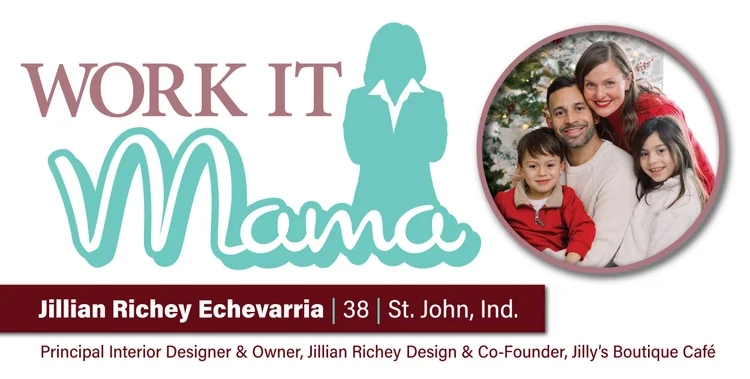
What drives you? Why do you do what you do? Family is at the center of everything I do; they are my grounding force and my greatest motivation. What’s a decision you’ve made recently (or not) that reflects who you are now, not who you used to be? I believe that growth often comes from saying yes before you feel ready and that some of the most fulfilling paths are the ones you create yourself. How has your definition of success or fulfillment shifted over time? Earlier in my career, success was tied to momentum — growth, recognition, and checking the next box. Over time, it’s become much more personal. Now I measure success by whether I’m present for my children and whether my family is secure long-term. Being able to spend meaningful time with my kids while also building stability for the future feels like true fulfillment. What’s something you want your children to learn from you? That hard work and kindness can coexist. That creativity is valuable. And that it’s okay to build a life that doesn’t fit a traditional mold.
|
|
What boundary are you actively protecting, even when it’s uncomfortable? Balance isn’t static, it’s seasonal. Some seasons require more work, others more presence. I stay grounded by prioritizing my family, setting boundaries when I can, and reminding myself that rest is productive, too. What’s one work habit, expectation, or rule you’ve let go of? I used to believe everything had to be perfectly buttoned up — a clean desk, a zeroed-out inbox, every message answered immediately. That worked in my twenties, but it’s not realistic now. I’ve learned to focus instead on organized, prioritized to-do lists tied to real deadlines. Letting go of the illusion of “everything finished” is what allows me to truly shut my brain off at the end of the day.
|
|
What kind of support has mattered most for you to keep working? A loyal, dedicated team. No one is perfect, mistakes happen, but when people show up with a good attitude and pride in their work, anything is possible. Knowing I’m supported by people who care about what we’re building makes even the hardest days manageable. What helps you feel like yourself when things feel loud or overwhelming? I love spending time with my family, hosting at home, traveling, and finding inspiration through food, architecture, and everyday moments. What’s one piece of advice you would give other moms navigating work and life? Trust yourself sooner. You don’t need permission to begin, and clarity often comes after action, not before. Start where you are and refine along the way. What’s one thing you wish more workplaces understood about working mothers? Like many women building something unconventional, I encountered skepticism especially when expanding beyond one lane. I’ve been told things were “too much,” “too risky,” or “not realistic.” Persevering meant trusting my vision, doing the work quietly, and letting results speak. I learned that doubt often says more about fear than feasibility.
|

|
Scan the QR code or click here to subscribe to our e-zine! |
|
|
|
|
|